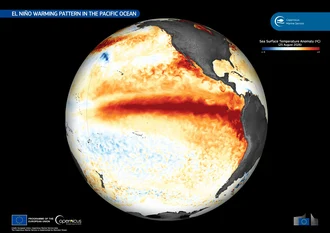
California is gearing up for what forecasters say is almost certainly a “super El Niño”, with a 75% chance it will be stronger than anything seen since 1950 and a 98% chance it will be “very strong” heading into December. Warmer Pacific waters could funnel heavy tropical moisture into Southern California, bringing intense rain, flooding, debris flows and high winds.
Local agencies are already clearing reservoirs, reinforcing hillsides and coordinating with the National Weather Service. But residents are urged to prepare now rather than wait for storms to hit.
Key steps include:
Emergency alerts: Sign up for county notifications and know your neighborhood’s risks, especially near hillsides, canyons, burn scars or flood‑prone zones.
“Know the risks where you live,” the article notes.
Roof inspections: If your roof is older or has leaked before, get it checked before storms overwhelm roofing crews. Licensed contractors can verify structural issues and make repairs early.
Drainage checks: Ensure yard drains are clear and functioning. Test them with a hose, consider sump pumps for damp crawl spaces, and use rain barrels to capture runoff from downspouts.
Sandbags: Keep some on hand as a last‑resort barrier to redirect water away from doors or low points.
Tree safety: Hire a certified arborist to inspect for cracks, weak branches or decay. Avoid thinning or topping, which can weaken trees. Remove dead palm fronds that could blow into power lines.
Runoff awareness: Secure items like fertilizer bags or paint cans so they don’t wash into storm drains and pollute waterways.
Planting for erosion control: Ground covers such as buckwheat or coyote brush can help stabilize slopes over time.
Insurance review: Check your home and flood insurance policies for changes in water‑damage coverage. Document valuables with a narrated video walkthrough.
Car readiness: Inspect tires, brakes, wipers, lights and battery. Keep your tank full and remember: “Turn around, don’t drown.” Even 12 inches of moving water can sweep away a car.
Go bags: Pack essentials — clothes, food, water, medications, first aid supplies, cash, chargers, important documents and ponchos. Pet owners should prepare separate kits. The Red Cross recommends storing original documents in a sealed bag in the freezer for safekeeping.
The overall message: Rain can be dangerous, and preparation now can prevent emergencies later.
Read the Original Story
👉 https://www.latimes.com/california/story/2026-09-22/california-braces-for-super-el-nino-heres-how-to-prepare
Amid warnings of a wet and potentially destructive winter, The Times asked experts for their best tips to be prepared.
Read full story
Author: Iris Kwok